Running a successful restaurant is a high-wire act—a beautiful blend of culinary artistry, rapid service, and managing the chaos that happens between the dinner rush and the midnight lull. But behind the delicious aromas and bustling energy, there are often unsung heroes of safety and compliance: your ventilation hoods. These massive metal beasts, while essential for keeping your kitchen breathable, can quickly become sticky traps of grease, grime, and forgotten debris. Ignoring them is not only bad for your ventilation system, but it's a major liability risk. This comprehensive guide provides the definitive rangehood cleaning checklist for restaurant owners, ensuring you maintain peak operational efficiency, satisfy health inspectors, and keep your staff out of hot water (literally).

Why Ignoring Your Ventilation System is a Recipe for Disaster
Many restaurant owners view cleaning the hoods as a necessary evil—a chore to be grudgingly ticked off a list. However, thinking of it as merely a compliance task is like seeing a parachute only as a piece of fabric. It's a critical piece of life support! The ventilation system is the circulatory system of your kitchen. When it clogs, it doesn't just affect the smell; it affects safety, efficiency, and ultimately, your bottom line.
The Hidden Dangers of Grease Buildup
Grease buildup is not just unsightly; it is incredibly flammable. Over time, accumulated grease can coat filters and ductwork, creating a combustible material that, when exposed to high heat, can ignite violently. This is not just a bad day; it's a serious safety hazard.
- Fire Risk: The primary concern. A grease fire originating in the hood system can quickly spiral out of control. Efficiency Loss: Grease acts like an insulator, reducing the airflow capacity of your system. This means your cooks are working harder, and the kitchen atmosphere becomes stifling. Pest Attraction: Dirty, damp, and greasy surfaces are irresistible magnets for rodents and insects, adding another layer of health risk to your operation.
"A clean kitchen is a happy kitchen," as the old adage goes. But a safe kitchen is a clean kitchen.
Daily and Weekly Quick-Clean Tasks
Maintaining a pristine hood system doesn't require calling in a specialized crew every single day (though deep cleaning does!). Implementing a strict routine of minor, daily tasks is the most effective way to prevent major, expensive cleanouts. Think of these daily tasks as proactive https://ameblo.jp/jaredqfsh093/entry-12966356404.html medicine for your machinery.
Daily Operational Sweep
The goal of the daily sweep is maintenance, not deep cleaning. It's about catching the small messes before they become monumental problems.
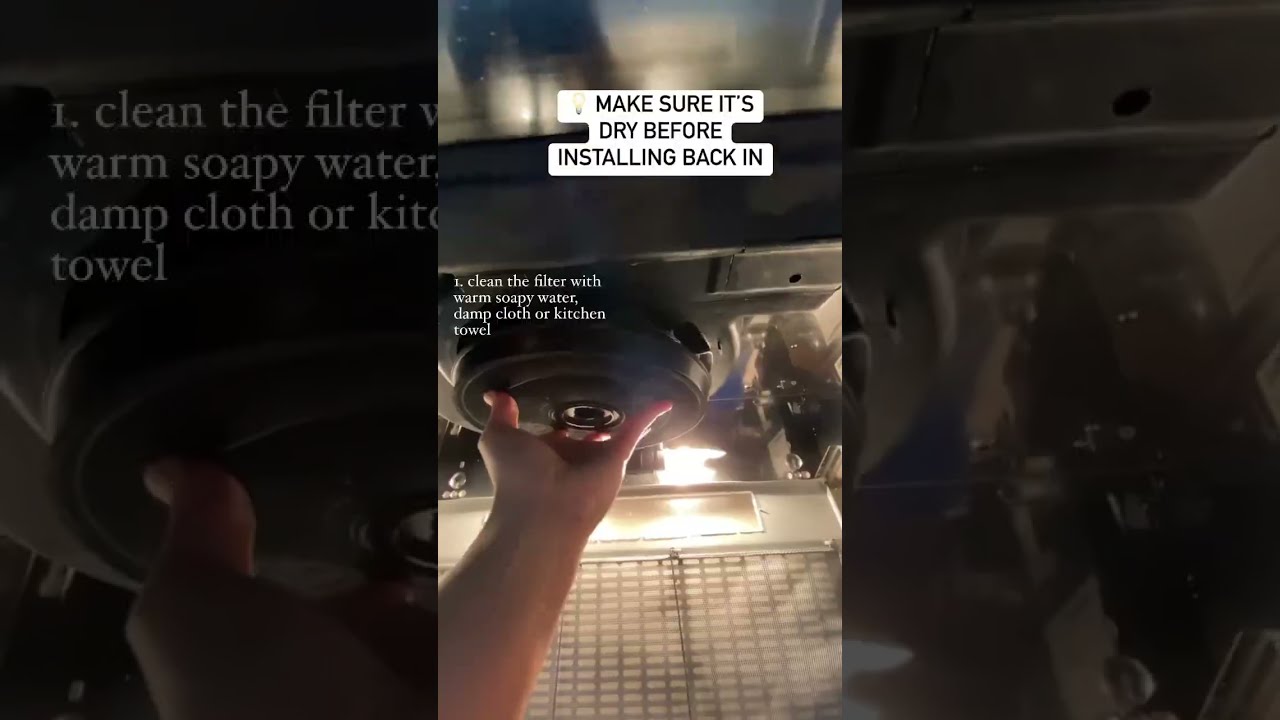
- Filter Inspection: Visually inspect all grease filters. If they look saturated, they need immediate cleaning or replacement. Visible Debris Removal: Use specialized tools to scrape off any obvious, hardened grease deposits or food scraps from accessible surfaces. Ventilation Check: Run the system briefly and listen. Is the airflow strong and consistent? Any unusual whining or sputtering could signal a developing issue.
Weekly Detailed Cleaning
This level of cleaning requires dedicated time, perhaps during a slow operational window. It’s where the bulk of the preventative work happens.
- Filter Deep Clean: Soak all reusable grease filters in a commercial degreaser solution, following the manufacturer's guidelines. Never just wipe them down; they need to be chemically treated to lift polymerized grease. Grease Collection Area: Wipe down the collection areas and drip trays. These are prime spots for sticky buildup that is often overlooked. Exhaust Hood Exterior: Wipe down the exterior surfaces. This keeps the restaurant looking professional and prevents the hood from becoming an architectural eyesore.
Quarterly and Semi-Annual Deep Cleaning Procedures
While daily and weekly tasks keep the system running smoothly, the sheer volume of grease and particulate matter demands periodic, intensive professional intervention. These deep cleanings are non-negotiable elements of responsible restaurant ownership.
Understanding Professional Deep Cleaning
A professional deep clean goes far beyond what your staff can achieve. It involves dismantling components, accessing ductwork, and using industrial-strength cleaning agents and vacuum equipment.
- Ductwork Access: The most crucial step. Professionals must access the ductwork to remove grease buildup that has accumulated on the inside surfaces, where the visible filters cannot reach. System Flushing: After cleaning, the system must be thoroughly flushed and inspected to ensure all residues and contaminants are removed. Certification: Always insist on a detailed report after the service. This report should confirm that the cleaning was performed according to industry standards and that the system is safe to operate.
The Importance of Prevention and Training
A thorough rangehood cleaning checklist for restaurant owners must include human factors. Equipment is only as good as the people who operate and maintain it.
- Staff Training: Ensure all kitchen staff know the basic principles of grease management. Teach them to use proper grease traps and to report any unusual odors or drips immediately. Chemical Management: Never pour grease down the drain. Proper disposal of waste oil and grease is a critical component of environmental compliance and fire prevention. The Inspection Mindset: Think of yourself as a health inspector, even when you're just walking through the kitchen. If something looks sticky, it probably is.
One local restaurant owner told me, "We thought we were doing enough cleaning, but we were only cleaning the surface. The real mess was inside the ductwork, and that was the fire risk." This anecdote perfectly illustrates that superficial cleaning is never enough.
Maintaining Compliance and Peace of Mind
Compliance is not a destination; it's a continuous journey. By adhering to a rigorous rangehood cleaning checklist for restaurant owners, you are doing more than just passing an inspection; you are protecting your business, your staff, and your reputation.

The health department doesn't just look for cleanliness; they look for evidence of due diligence. A well-maintained logbook, detailing when filters were changed, when deep cleans occurred, and who performed the maintenance, is often as important as the clean hood itself. Are you treating maintenance as a cost center, or as an indispensable investment in operational safety?
Ultimately, proper ventilation care is a matter of vigilance. By treating your hood system with the respect it deserves—with daily attention, weekly care, and periodic professional deep cleans—you ensure that your culinary efforts are supported by a safe, efficient, and sparkling environment. Taking the time to follow this comprehensive checklist means your kitchen can focus on what it does best: creating magic.